4 Techniques to Break the Vicious Cycle of Loneliness: A Guide to Escaping Poe Syndrome
TuBrief 편집팀
2026년 2월 2일
0
Mental Health원본 영상을 바탕으로 AI의 도움을 받아 작성했습니다. 원본 영상이 기준입니다.
커뮤니티의 다른 글
댓글 (0)
Log in to leave a comment
아직 작성된 글이 없습니다
원본 영상을 바탕으로 AI의 도움을 받아 작성했습니다. 원본 영상이 기준입니다.
Log in to leave a comment
아직 작성된 글이 없습니다
Technology has gifted us with unprecedented connectivity, yet paradoxically, we are experiencing the most severe isolation in history. The statistics are cold: more than half of adults feel disconnected from others, and nearly 80% of Gen Z—the digital natives—report extreme loneliness. We are connected to everyone, yet reaching no one.
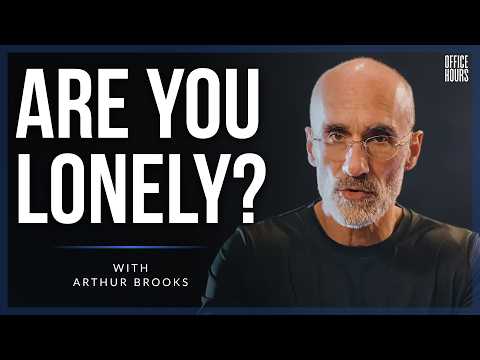
Life coaching experts call this phenomenon Poe Syndrome. As the poet Edgar Allan Poe once confessed, it is the contradiction of desperately craving to be known by someone while making no effort to know others ourselves. We are so preoccupied with showing ourselves off that we lose all curiosity about the person standing right in front of us.
Loneliness is not just a matter of mood. Neuroscience treats the feeling of isolation as a physical injury. Results from fMRI studies make this clear.
When we feel that someone truly understands us, our brain's ventral striatum is activated. This is the same pleasure we experience when eating delicious food. Conversely, when we feel excluded, the dorsal anterior cingulate cortex reacts. This is the region that processes pain when we are cut by a knife or break a bone. To the brain, loneliness is an actual pain that threatens survival.
Instinct commands us to hide when we feel lonely, but we must do the exact opposite. Here are four techniques suggested by relationship experts in 2026:
Loneliness triggers defense mechanisms. It makes us suspicious of others and causes us to retreat into the self. At such times, intentionally reach out first with a light greeting or a brief check-in. This is training to help the brain relearn social contact as a reward rather than a threat.
We must not be "diminishers" who view others as tools for satisfying our own needs. Instead, we should become illuminators who make others feel valued. Increase the frequency of your questions during a conversation. Simply by asking more questions, your likability rating can rise by more than 9%.
True intimacy is born when we share our full attention. Remove smartphones from your field of vision during a conversation. You should put yourself through an acid test: checking if the other person can accurately recap what you said after the conversation ends. The moment you block out devices, stress hormones decrease and oxytocin begins to flow.
When anxiety strikes, objectively name the emotion you are feeling. The moment you state that you are feeling "excluded," the initiative of the emotion shifts from the instinctive realm to the frontal lobe, the seat of reason. This prevents impulsive behaviors like cutting off relationships or going into hiding.
The essence of happiness lies in being known by others, but that process starts with us discovering others first. Those trapped in Poe Syndrome wait for someone to appear and rescue them, but the wise shine a light on the value of others by asking questions first.
Loneliness is as damaging to your health as smoking 15 cigarettes a day. Today, ask a specific question to the person next to you. Full attention reflected in another's eyes is the only survival strategy for breaking through this age of isolation.