Storyboard Design: Extracting Profit from the Bottom of Your Emotions
 makedream
5. April 2026
0
Music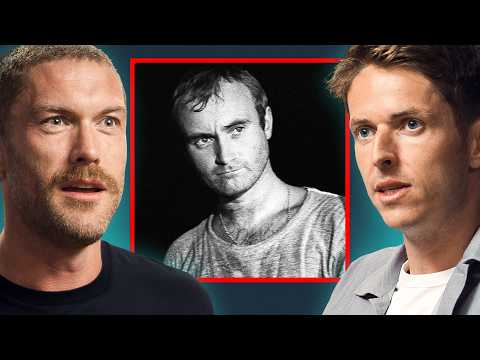
Comments (0)
Log in to leave a comment
No posts yet
makedreamLog in to leave a comment
No posts yet
It is a well-known story that Phil Collins made a fortune by turning the pain of his divorce into music. However, if you are a creator whose bank balance is actively dwindling, you don't have time to indulge in playing the role of the tortured artist. You must begin by objectifying your emotions. In psychology, this is called externalization—placing the anxiety or anger you feel as an object of observation separate from yourself. Write down the three emotions that trouble you most right now. Whether it's a sense of alienation or a feeling of betrayal, anything works.
Plug these emotions into a "Problem-Resistance-Resolution" structure, a twist on Aristotelian poetics. Set the three words you chose as the environmental constraints facing your protagonist. Spend more than half of the total length depicting the protagonist failing to fill this void and crumbling under external pressure. Finally, conclude with a resolution where the protagonist lets go of their stubbornness, accepts new values, and solves the problem. By drafting a 3-minute storyboard with this flow, you reduce time wasted on emotional exhaustion and gain a draft you can use immediately.
Sylvester Stallone didn't write the script for Rocky in three days because he was a genius. It was the physical hunger—having to sell his dog because he couldn't afford heating—that drove him. Willpower is not something to be relied upon. Instead, utilize the ultradian rhythm, our body's natural biological cycle. The human brain typically maintains high levels of focus in 90-minute cycles. By properly running just two cycles a day—working for 90 minutes and resting for 20—you can manage brain fatigue and boost productivity.
Your work tools should be as "dumb" as possible. It is surprisingly effective to find an old word processor or typewriter that lacks internet access and only allows for text input. I recommend devices like the AlphaSmart Neo 2, which can be bought for around 100,000 KRW on the secondhand market. Alternatively, use programs like Cold Turkey to block all website access during work hours. By fundamentally preventing time-wasting searches, you can double the speed of completing a project.
Waiting for a market response after completing a work is too late. There is a psychological technique called exposure therapy, where one becomes desensitized to a fear-inducing object through repeated exposure. Creative works are the same. You must be rejected before you finish. Find 10 potential customers who will criticize your output most coldly. Don't simply ask if they like it; dig for specific reasons why they would not spend money to buy it.
If the reason for rejection is a problem with the story's direction, redesign the setting; if the sentiment doesn't land, revise the protagonist's deficiency to be more desperate. By gathering data from ten rejections to fix your work, you can escape the "artist's disease" of being trapped in your own satisfaction. Results that people are actually ready to open their wallets for come through this harsh process. Rejection is not a wound; it is simply data necessary for revision.
Creation is ultimately a task that exhausts the brain. Expensive supplements are a luxury. The cheapest way to increase brain efficiency is temperature control. Set the indoor temperature to a cool range between 18°C and 20°C. Your core brain temperature must drop for you to fall into a deep sleep and have a functioning mind the next day. Getting 30 minutes of sunlight on a balcony as soon as you wake up is also free; it resets your biological clock and keeps you alert during the day.
Approach eating strategically as well. Eggs, rich in choline which aids memory, and canned mackerel, which reduces brain inflammation, are cost-effective fuels. Even a 5-minute stretch to tighten your shoulder blades during work increases blood flow to the brain. Look for youth rent support or free workspaces operated by local governments to cut fixed costs. Using the money you save to buy quality ingredients is the power that allows you to sustain creation for more than a year.